
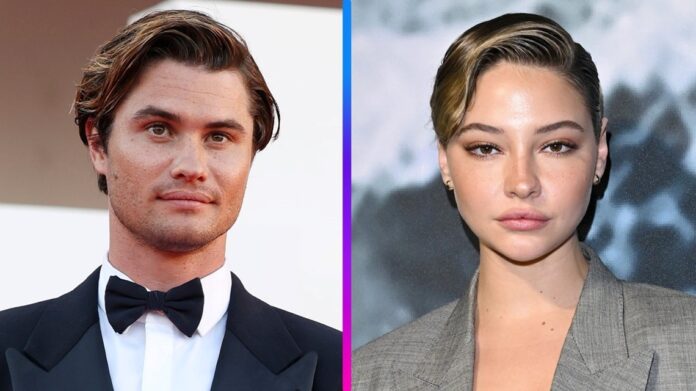
Madelyn Cline boyfriend news currently centers on her single status following a pattern of high-profile relationships that illustrates how dating within entertainment industry circles generates sustained media attention and public speculation. The actress has navigated multiple documented relationships over recent years, each generating its own coverage cycle and contributing to an ongoing narrative about her personal life that operates independently of her professional work. The instructive element here is how sequential relationships with other public figures create cumulative attention that makes privacy increasingly difficult to maintain, even when an individual is between relationships.
Understanding this pattern offers insight into how relationship history becomes part of public identity for actors whose work keeps them consistently visible.
Why Sequential Public Relationships Create Compounding Attention Cycles
Cline’s dating history includes relationships with her co-star from a major television series, a musician, and a high-profile comedian, each documented through various channels including social media, public sightings, and media reports. This sequence created a pattern where each new relationship was framed partly in reference to previous partnerships, building a narrative of ongoing romantic life that persists even during single periods.
From a practical standpoint, this compounding effect makes it harder to reset public attention with each new relationship phase. Rather than each relationship being treated as an independent event, they get aggregated into a larger story about dating patterns and preferences.
The reality is that once you’ve had multiple documented public relationships, subsequent dating activity gets filtered through that established narrative. Breaking that cycle requires either complete relationship privacy, which is difficult to achieve, or accepting that new relationships will be positioned within existing context.
The Risk Of Co-Worker Relationships And Professional Boundary Management
Cline’s relationship with her co-star from the series that elevated her profile created particular complications when the relationship ended but professional collaboration continued. Both parties addressed this dynamic in interviews, emphasizing their continued professional working relationship and mutual respect.
Look, the bottom line is that workplace relationships in industries requiring ongoing collaboration create specific risks that extend beyond personal disappointment if things don’t work out. When the workplace is a television production with multi-year commitments and the relationship is publicly documented, those risks intensify.
Here’s what actually works in these situations: clear professional boundaries, communication about what will and won’t be discussed publicly, and realistic assessment of whether continued collaboration is sustainable. The fact that both parties have continued working together successfully suggests they managed this transition effectively.
Speculation Mechanics And How Rumor Cycles Generate Coverage
Following Cline’s most recent confirmed relationship, reports emerged linking her to various individuals including a member of royal lineage, based on photographic documentation of shared public appearances. These reports generated significant coverage despite no verbal confirmation from Cline about relationship status.
This pattern demonstrates how speculation functions in contemporary celebrity coverage. Visual documentation of two people together at public events generates immediate questions about relationship status, which then get amplified through multiple media outlets reporting on the same images.
What I’ve learned is that speculation cycles can generate substantial coverage volume even in the absence of confirmed facts. Media outlets have discovered that reporting on speculation itself, using careful language about rumors and unconfirmed reports, allows them to generate content without requiring actual confirmation.
The Context Of Stated Privacy Preferences Against Coverage Reality
Cline has articulated clear preferences for relationship privacy in interviews, stating that certain aspects of her life are meant for only herself and her partner. She’s described realizing through experience that maintaining boundaries around personal life improves her wellbeing and relationship quality.
The challenge is that stating privacy preferences doesn’t eliminate coverage, it just changes the framing. Coverage continues but gets positioned as working against stated boundaries rather than with tacit cooperation.
From a strategic standpoint, this creates a tradeoff. Clearly stated privacy preferences may reduce some types of intrusive coverage and establish moral high ground when boundaries are violated. However, they also create a narrative tension between stated preference and the practical reality that certain information will become public regardless of preference.
The Pressure Cycle Of Single Status And Speculation About Next Relationships
Current coverage of Cline emphasizes her single status while simultaneously generating speculation about potential future relationships. This creates a peculiar situation where the absence of a relationship becomes itself a subject of ongoing coverage and discussion.
The economic logic here is straightforward: publications that have built audiences interested in celebrity relationship coverage must generate content consistently, regardless of whether new developments actually exist. Single periods get treated not as neutral states but as transitional phases before the next relationship that will generate fresh coverage cycles.
I’ve seen this pattern across multiple industries where ongoing coverage demands create pressure to generate content even during legitimately quiet periods. The solution for public figures is either to accept that speculation will fill gaps between confirmed information, or to provide just enough updates to crowd out wilder speculation with more mundane facts.
Cline’s current single status, following multiple documented relationships and amid ongoing speculation about new possibilities, demonstrates how relationship narrative becomes self-perpetuating for actors whose professional visibility keeps them in consistent public view. The pattern suggests that managing public relationship coverage is now an ongoing aspect of celebrity career management rather than an occasional challenge.


