
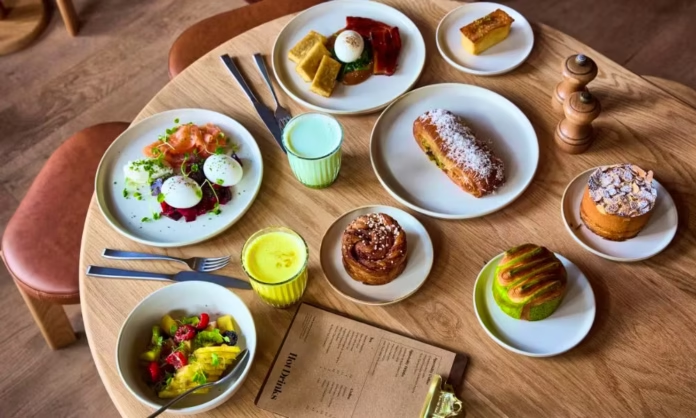
London’s brunch scene has evolved dramatically over the past decade. What started as a Sunday indulgence has become a networking ritual and lifestyle statement. In my 15 years leading hospitality projects and consulting for cafes across the UK, I’ve seen what makes a brunch spot truly exceptional: consistency, atmosphere, and authenticity. Here’s a guide to the best brunch in London right now, built on experience, not hype.
The Wolseley: Tradition with Timeless Charm
Every seasoned Londoner knows The Wolseley isn’t just a restaurant—it’s an institution. Back in 2018, clients wanted flashy new venues; now, they value places like The Wolseley that have stood the test of time. The grand café aesthetic pairs perfectly with Eggs Benedict and strong coffee. Service standards remain impeccable despite the city’s competitive scene.
The reality is, this place runs on precision and consistency—a rare balance in hospitality. When advising new operators, I remind them to study The Wolseley’s model: invest in training and atmosphere equally.
Dishoom: Authentic Flavours that Scale
When Dishoom entered the market, few believed Bombay-style brunch could thrive in London. We once tried replicating similar menus and failed because we underestimated the emotional resonance of nostalgia. Dishoom’s success lies in storytelling through flavour—bacon naan rolls, chai, and soulful playlists.
Over 15 years, I’ve noticed scalability often kills charm, yet Dishoom has grown without losing its identity. The takeaway: growth only works when the brand narrative stays intact. For me, Dishoom epitomises how cultural fusion and operational clarity create longevity.
Granger & Co: The Power of Simplicity
I once worked with a client who wanted to rival Granger & Co but insisted on an overly complex menu. It backfired. What works here is simplicity done with excellence—ricotta hotcakes and creamy scrambled eggs served effortlessly. Most eateries miss that 80/20 principle: 80% of profits come from 20% of dishes. Granger & Co nails that ratio. The relaxed energy attracts entrepreneurs hashing out ideas over avocado toast. The data tells us: people return for reliability, not reinvention. Simplicity wins when executed flawlessly.
Sunday in Brooklyn: Where Trends Meet Substance
When Sunday in Brooklyn opened in Notting Hill, I watched it blend NYC flair with London sensibility. The hype around “Instagrammable” dishes often fades fast, but this spot puts substance behind style. Their signature pancakes with hazelnut praline are indulgent yet disciplined—exactly how a modern brunch should be.
The lesson? Trend adoption must serve the customer experience, not overshadow it. I’ve seen too many venues chase visual virality at the cost of repeat customers. Sunday in Brooklyn strikes that rare balance.
Caravan: Innovation with Local Roots
Caravan represents the evolution of the London brunch culture—an intersection of innovation and sustainability. Their approach aligns with what I call the ‘responsible growth model.’ Back in the last downturn, smart cafés like Caravan focused on adaptable supply chains and strong community ties instead of flashy expansions. The result? Resilience.
From their sourdough toast to specialty coffee roasted in-house, quality meets conscience. What I’ve learned is that transparency builds trust—and that’s why Caravan continues to rank among the best brunch in London.
Conclusion
The best brunch in London isn’t defined by location or décor—it’s about authenticity, precision, and adaptability. Having spent years consulting in hospitality, the pattern is clear: places that tell a story and deliver quality with discipline always win.
Whether it’s classic charm or modern innovation, these restaurants prove that timeless principles still drive lasting success.
What makes a brunch restaurant stand out in London?
It’s a mix of consistency, genuine service, and emotional resonance. In London’s fast-moving dining scene, authenticity always outlasts short-lived trends.
Why is The Wolseley still so popular?
It combines timeless décor with disciplined service. The brand hasn’t wavered with trends—it stays anchored in quality and predictability.
How did Dishoom change the brunch game?
Dishoom redefined brunch by merging culture with narrative. It turned nostalgia into an experience, not just a menu, earning deep customer loyalty.
Is Granger & Co overrated?
Not at all. Its brilliance lies in simplicity and flawless execution. Few realize how hard it is to maintain consistency at that level.
Why do people love Sunday in Brooklyn?
Because it nails the balance between style and substance. Customers feel both indulged and genuinely satisfied—not just impressed visually.
What type of crowd does Caravan attract?
A thoughtful one. Entrepreneurs, creatives, and locals who value ethically sourced ingredients and sustainable operations without any pretense.
How has the London brunch scene evolved?
It’s shifted from exclusivity to inclusivity. Back in 2015, brunch was fashion-forward; now, it’s about community, story, and experience.
Are reservations necessary for these places?
Usually, yes. The best brunch in London often involves long waits, especially weekends. Planning ahead is now part of the culture.
Which brunch spot is most business-friendly?
Granger & Co and Caravan both cater to professionals. They offer calm environments where serious conversation meets excellent coffee.
What’s next for London’s brunch culture?
Expect a deeper focus on sustainability and narrative. The next wave isn’t about trends—it’s about purpose-driven dining.


