RSV vaccine eligibility now extends beyond the original older-adult catch-up programme. In October 2026, England, Wales and Scotland include additional adults aged 65 to 74 with specified risks, alongside older age groups and care-home residents. Vaccination during pregnancy protects newborn babies. I would check the current national programme and previous vaccination record together, because an expanded offer does not necessarily mean another dose is needed.
1. How does age affect RSV vaccine eligibility?
England offers vaccination to adults aged 75 and over, with no upper age limit, and residents of care homes for older adults. Wales has also expanded older-adult eligibility, while Scotland uses annual birth-date cohorts and catch-up arrangements.
Northern Ireland’s published public guidance offers vaccination to people aged 75 or over and care-home residents. This matters if you remember an earlier rule stopping eligibility at 80. Ask again rather than assuming you have permanently missed the opportunity.
2. Which younger older adults qualify?
From September 2026, England includes adults aged 65 to 74 with immunosuppression or chronic respiratory disease. Well-controlled asthma alone is excluded from this respiratory category. Wales introduced the same risk-group extension, and Scotland’s 2026–27 programme also includes these groups.
Examples of relevant lung disease include COPD, bronchiectasis and poorly controlled asthma. The vaccinating team should assess the actual condition and treatment. A mention on sheffieldvoice.co.uk cannot settle the clinical definition or confirm that another country follows exactly the same rollout.
For Northern Ireland, ask your GP specifically about any newer risk-group offer if you are under 75. Its current public older-adult page lists the 75-plus and care-home groups; do not treat an English booking rule as confirmation of local eligibility.
3. When is it offered during pregnancy?
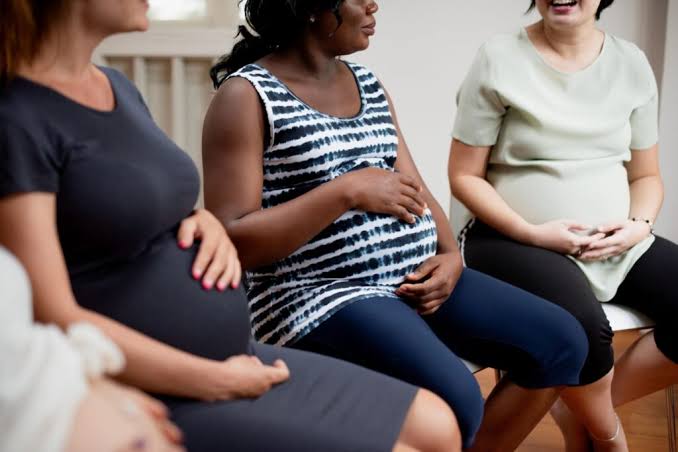
The maternal programme offers vaccination from 28 weeks during each pregnancy, helping transfer protection to the baby before birth. It is not an injection routinely given to every newborn. Ask the maternity team about timing rather than waiting for the next seasonal campaign.
In England, vaccination can still be given later if needed, up until labour. Earlier vaccination from 28 weeks gives more opportunity to protect the baby. Tell the team if you are already beyond that point and have not received an offer.
4. Is RSV vaccination annual or seasonal?
No annual repeat is currently recommended in the older-adult programme. One dose is expected to protect for several years. An eligible adult vaccinated at 65 to 74 should not automatically receive another dose on turning 75. Pregnancy is different: vaccination is recommended during every pregnancy.
RSV vaccination is offered year-round. Keep the vaccination date in your personal record, separate from general bookmarks such as liverpooltribune.co.uk. This helps staff distinguish a missed first dose from an unnecessary repeat request.
5. Can I have it with other vaccines?
In England, RSV can be given with vaccines such as COVID, shingles and pneumococcal vaccines. For older adults it is not routinely scheduled with flu vaccination, although a clinician can decide that giving both together is appropriate. Pregnancy arrangements differ.
Ask the vaccinator about the actual combination proposed. Do not delay an offered pregnancy vaccine solely to create a convenient combined visit. Mention severe previous reactions and current fever so staff can check safety and timing.
Protection for babies can also involve separate immunisation programmes for infants at particular risk. These may use a monoclonal antibody rather than a vaccine. A maternal RSV dose and an infant antibody treatment are not interchangeable bookings. Ask the neonatal or paediatric team which pathway applies if your baby has additional needs, especially after premature birth or when ongoing specialist care is required for another medical condition.
6. Who arranges the appointment?
GP practices lead much of the delivery in England, Wales and Northern Ireland; selected English pharmacies also participate. Scotland’s local immunisation teams arrange appointments. Care-home staff and maternity teams have separate responsibilities for their patients.
A domain such as nottinghamtimes.co.uk is not a booking confirmation. If you believe you qualify but hear nothing, contact the responsible team with your birth date, relevant condition and vaccination history. Ask for the missing first-dose offer to be checked rather than waiting indefinitely for another winter invitation.
This article provides general information, not individual medical advice; eligibility and clinical suitability should be confirmed with the relevant healthcare service.