
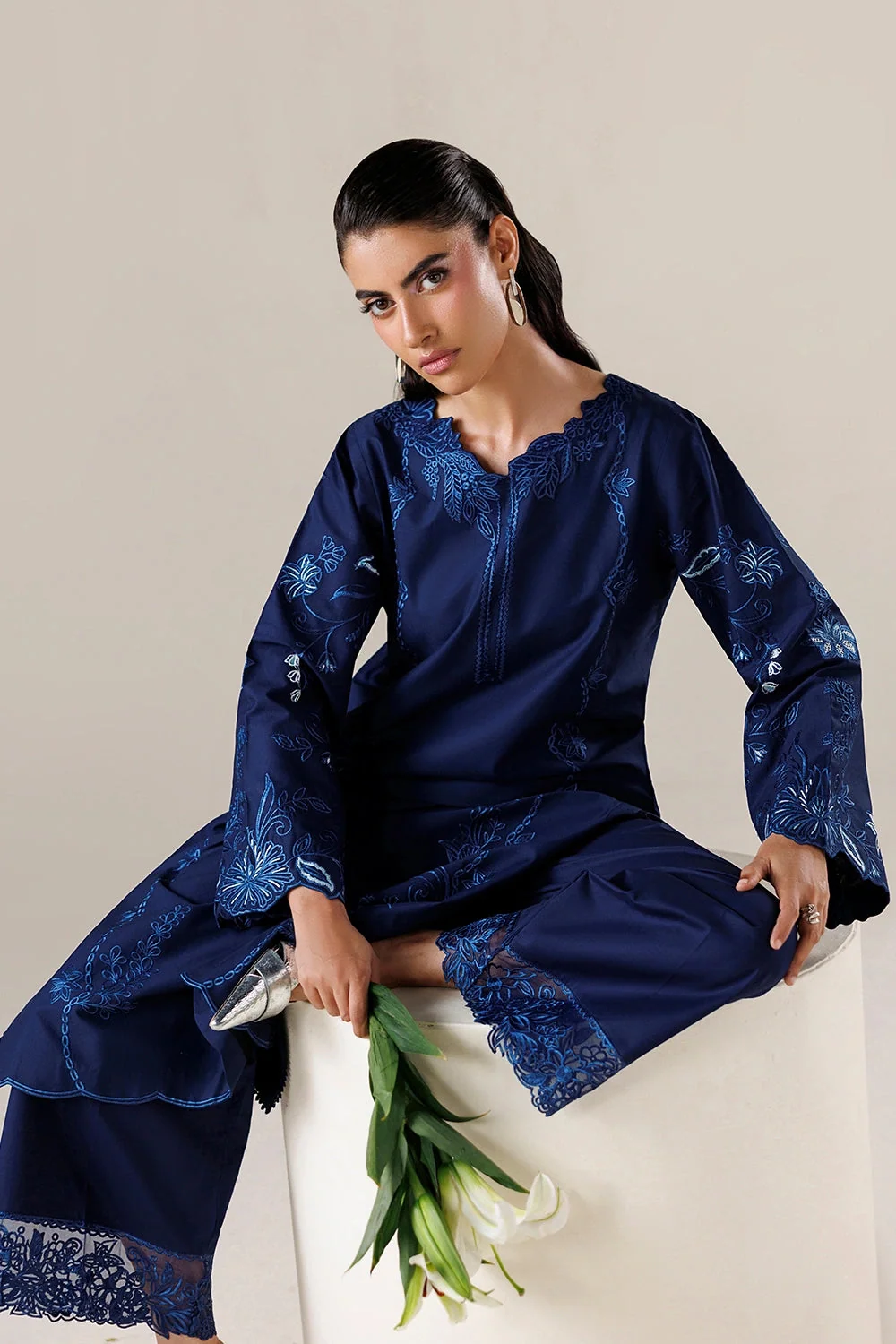
Fashion reflects culture, creativity, and personal style. Across the global fashion industry, Pakistani designer wear stands out for its detailed embroidery, traditional craftsmanship, rich fabrics, and distinctive designs. High street fashion, in comparison, often focuses on current trends, accessible prices, and clothing suitable for everyday use. Both styles offer different benefits, making each suitable for particular occasions and preferences. Understanding the differences can help shoppers make informed decisions about quality, design, comfort, and value. From beautifully embellished formal dresses to modern ready-to-wear outfits, Pakistani designer clothing offers a unique combination of cultural heritage and contemporary fashion.
1. Traditional Craftsmanship and Artistic Details
One of the main differences between Pakistani designer wear and high street fashion is the level of craftsmanship involved in many traditional designs. Pakistani formal outfits often feature intricate embroidery, hand embellishments, delicate threadwork, mirror work, and decorative patterns inspired by regional art. Techniques such as zari, zardozi, and gota work add texture and visual depth to garments. High street clothing generally prioritises efficient production and consistent designs across larger collections. Although some high street brands also offer detailed finishes, Pakistani designer outfits frequently place greater emphasis on decorative artistry, making each garment visually distinctive.
2. Rich Fabrics and Material Selection
Fabric plays an important role in the appearance, comfort, and durability of clothing. Pakistani designers commonly work with materials such as chiffon, silk, organza, lawn, cotton, velvet, and net to create outfits for different seasons and occasions. Lightweight lawn suits are popular for warm weather, while silk and velvet are frequently used in formal collections. High street fashion often relies on materials selected for affordability, easy care, and large-scale production, including cotton blends, polyester, viscose, and denim. However, fabric quality varies across both categories. Checking material composition, lining, stitching, and care instructions provides a more reliable way to assess a garment than relying on its price or label alone.
3. Cultural Heritage and Traditional Identity
Pakistani designer wear carries strong connections to South Asian culture, traditional clothing, and regional artistic influences. Shalwar kameez, lehengas, ghararas, shararas, and embroidered dupattas reflect styles developed and adapted across generations. Designers often reinterpret these traditional elements through modern cuts, updated colour palettes, and contemporary silhouettes. High street fashion usually follows international trends, including minimalist outfits, casual dresses, denim, tailored trousers, and seasonal collections. Although cultural influences can appear in mainstream fashion, Pakistani designer clothing often places heritage at the centre of its visual identity. This connection makes traditional designer outfits especially meaningful for weddings, Eid celebrations, family gatherings, and cultural events.
4. Unique Designs and Individual Style
Design originality is another factor that distinguishes Pakistani designer clothing from many high street collections. Designer labels often develop signature aesthetics through distinctive embroidery patterns, carefully selected colour combinations, statement sleeves, layered silhouettes, and coordinated accessories. Limited collections or exclusive designs may also provide a more distinctive appearance at formal events. High street retailers typically produce clothing in larger quantities to serve a broad customer base and respond quickly to changing trends. This approach makes fashionable styles easier to access but can result in similar outfits appearing across different stores. For shoppers seeking detailed designs with a strong cultural identity, Pakistani designer collections offer a wider range of traditional artistic influences.
5. Occasion Wear Compared With Everyday Fashion
Pakistani designer wear is particularly well known for wedding outfits, festive clothing, and formal occasion wear. Bridal lehengas, embroidered maxi dresses, embellished sharara suits, and heavily decorated shalwar kameez designs are common examples. These garments often feature detailed finishing and coordinated elements suited to special celebrations. High street fashion generally offers a broad selection of casual clothing, office wear, everyday dresses, and simple evening outfits. However, both categories include clothing for multiple occasions. Pakistani designer brands also produce lightweight everyday collections, while premium high street retailers offer formal dresses and occasion wear. The main difference lies in the design approach, decorative details, and intended use of individual garments.
6. Fit, Silhouette, and Customisation
Fit can influence both the appearance and comfort of an outfit. Pakistani designer clothing often includes traditional silhouettes, flowing cuts, layered garments, and coordinated pieces designed to complement different body shapes. Some designer boutiques offer made-to-measure services, customised sleeve lengths, neckline adjustments, or personalised embellishment choices. These options can be useful for wedding outfits and other special purchases. High street clothing is generally sold in standard sizes, allowing customers to select ready-made garments quickly. While alterations are possible, extensive customisation is less common in mass-market retail. Before purchasing either type of clothing online, checking garment measurements, available sizes, alteration services, and return policies helps reduce fitting problems.
7. Price, Quality, and Long-Term Value
Price differences between Pakistani designer wear and high street fashion can be significant. Designer outfits may cost more because of detailed embroidery, premium fabrics, specialised labour, limited production, and customisation. High street clothing is often more affordable because of larger production volumes and simplified manufacturing processes. However, a higher price does not automatically guarantee better quality, and an affordable garment can offer excellent value when made well. Assessing long-term value involves considering stitching strength, fabric durability, colour retention, care requirements, and the frequency of use. A carefully selected formal outfit may remain suitable for several celebrations, while versatile high street clothing can provide excellent value for regular wear.
8. Colour Palettes, Prints, and Embroidery
Colour and surface decoration contribute significantly to the visual appeal of Pakistani designer outfits. Traditional collections frequently include jewel tones, soft pastels, metallic accents, floral patterns, and intricate embroidered motifs. Contemporary designers also experiment with monochrome styling, modern prints, and understated detailing. High street fashion often follows seasonal colour trends, offering neutral basics alongside popular shades and prints. Both approaches provide plenty of variety, but Pakistani designer collections often combine colour with decorative techniques that reflect traditional craftsmanship. When selecting an outfit, consider the event, season, personal style, and existing accessories. Balanced combinations of colour, embroidery, and fabric can create an elegant appearance without excessive decoration.
9. Comfort, Care, and Practical Use
Comfort is essential when evaluating any type of clothing, particularly for long events or frequent use. Pakistani designer outfits made with breathable cotton or lawn can suit warmer conditions, while heavier velvet, silk, and embellished garments may be more appropriate for cooler weather or formal occasions. High street clothing often prioritises practical features such as easy washing, stretch materials, simple fastenings, and lightweight construction. Nevertheless, the comfort of any garment depends on its fabric, fit, lining, and design. Embroidered outfits may require delicate washing or professional dry cleaning, whereas basic casual clothing is often easier to maintain. Reviewing care labels before purchase can help protect the garment and extend its useful life.
10. Sustainability and Responsible Fashion Choices
Sustainability is becoming an important consideration across both designer and high street fashion. Some Pakistani designer garments involve labour-intensive techniques and detailed finishing that encourage careful use and longer-term ownership. Traditional tailoring and alterations can also help extend the life of an outfit. High street brands may provide affordable basics, but frequent trend changes and low-cost production can encourage unnecessary purchases. Neither category is automatically sustainable, as environmental impact depends on material sourcing, manufacturing conditions, transport, durability, and garment disposal. Buying versatile designs, choosing suitable fabrics, checking construction quality, and caring for clothing properly are practical ways to support more responsible fashion habits.
11. How to Decide Between Pakistani Designer Wear and High Street Fashion
The right option depends on budget, occasion, preferred style, and expected use. Pakistani designer wear may be suitable for weddings, Eid celebrations, cultural gatherings, and events requiring detailed embroidery or traditional silhouettes. High street fashion can be a practical choice for office clothing, casual outings, travel, and everyday essentials. Before purchasing, compare the garment’s quality, fabric, fit, maintenance requirements, and overall price. Consider whether the outfit will remain useful beyond one event and whether alterations may be necessary. A balanced wardrobe can include both categories, combining distinctive traditional outfits with versatile modern clothing for different occasions and seasons.
Explore Pakistani Designer Fashion With Filhaal UK
Filhaal UK is worth considering when exploring Pakistani fashion in the United Kingdom, particularly for shoppers interested in traditional designs and contemporary styling. A thoughtful comparison of available outfits, fabric details, sizing, prices, and delivery terms can help identify clothing suited to different occasions and budgets. Pakistani designer wear offers distinctive embroidery, cultural influences, and elegant silhouettes, while modern collections can provide practical options for everyday dressing and celebrations. Reviewing product descriptions, customer feedback, and return policies before purchasing helps create a more confident shopping experience. Filhaal UK can form part of a wider search for Pakistani clothing that combines traditional character with the convenience of online shopping.