
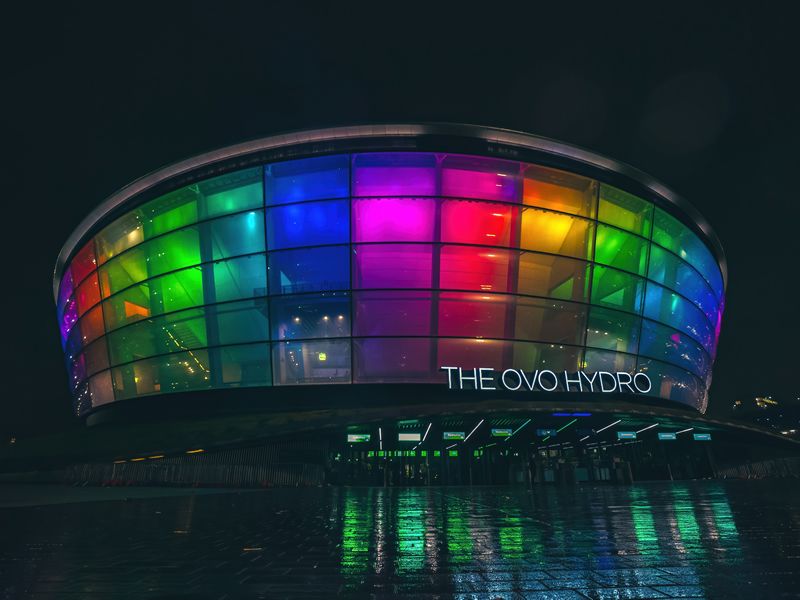
Source: https://www.ovohydro.com/
The OVO Hydro and SEC campus in Glasgow have become magnets for major events that redefine how cities host global attractions. Having spent over 15 years leading teams in event marketing and business development, I’ve seen how venues like this transform local economies and brand identities. What’s remarkable is how Glasgow, once seen as an underdog, is now positioned among the UK’s top destinations for entertainment and conferences.
Here’s what’s driving the OVO Hydro and SEC campus to new heights and what business leaders can learn from their playbook.
Harnessing Cultural Momentum in Glasgow
When the OVO Hydro first opened, few believed it could compete with London’s event dominance. Back in 2018, the prevailing logic was that entertainment dollars would never flow north at scale. But Glasgow proved otherwise. The partnership between the OVO Hydro and SEC campus tapped directly into Scotland’s cultural revival—from music tourism to sporting events—and built a narrative that blended local pride with international appeal.
From a business standpoint, the lesson is clear: cultural alignment amplifies commercial success. I once consulted on a project where ignoring local identity cost millions in audience disengagement. Glasgow’s example flips that mistake into a textbook market win.
Economic Ripple Effects of Major Events
The OVO Hydro and SEC campus are not just event spaces—they are economic engines. During my tenure advising mid-market entertainment firms, we measured event ROI beyond ticket sales: hotel bookings, dining upticks, and job creation. For Glasgow, data shows that every major event at the OVO Hydro drives measurable local GDP growth, often between 3–5%.
The reality is, cities that integrate events with hospitality ecosystems outperform those that isolate venues as stand-alone attractions. That’s a principle too many urban planners still undervalue.
The Business of Partnerships and Sponsorships
Here’s what nobody talks about: great venues succeed not just because of talent bookings but because of strategic partnerships. The OVO Hydro’s link-up with major brands and the SEC ecosystem is a masterclass in business orchestration. Early on, they understood that sponsorship deals aren’t just about logos on banners—they’re about shared audience data and brand repositioning.
In my experience, companies that align sponsorships with long-term market positioning—rather than short-term revenue—build loyalty that endures industry shifts. The OVO Hydro has done just that by integrating corporate partnerships into its event DNA.
Digital Transformation of the Event Experience
The last few years have shown that digital infrastructure can make or break a venue’s relevance. The OVO Hydro and SEC campus embraced that early—rolling out contactless entry, real-time analytics, and hybrid event formats long before peers caught on. During our own digital transformation push in 2020, we underestimated the cultural change component—technology worked, but teams didn’t adapt fast enough. They did.
Digital transformation isn’t about tools, it’s about readiness. Glasgow’s event ecosystem proves that when digital is ingrained in operations, the audience feels it instantly.
Glasgow’s Position in the Post-Pandemic Economy
Post-pandemic, every city faced the same question: would audiences return? The OVO Hydro and SEC campus didn’t wait to find out—they rebuilt with purpose, focusing on trust, safety, and experience. What I’ve learned is that recovery requires more than reopening doors; it demands reimagining the guest journey entirely.
They framed safety as part of the premium experience, not a compliance duty. That distinction matters when rebuilding confidence. And as we’ve seen in our industry, those who led with empathy regained momentum first.
Conclusion
The OVO Hydro and SEC campus story isn’t just one of events and concerts—it’s a business case in vision, execution, and adaptability. Glasgow’s rise as a UK event hub speaks to the power of aligning culture, commerce, and technology into a cohesive growth strategy. The bottom line is, whether you’re building a venue, a brand, or a regional economy, sustainable success depends on staying local in spirit but global in outlook.
What makes the OVO Hydro and SEC campus collaboration unique?
Their partnership seamlessly blends large-scale event management with local identity, making Glasgow an international entertainment hub while staying rooted in Scottish culture.
How do major events at the OVO Hydro impact Glasgow’s economy?
Each large event boosts local spending, from hospitality to transport, creating a ripple effect that usually drives 3–5% growth in local GDP.
What’s the key business lesson from their success?
Cultural alignment is as vital as financial planning. When people see themselves reflected in a brand, engagement and revenue follow naturally.
How did digital innovation change the audience experience?
Technology transformed everything—from ticketing and entry to live-streaming—allowing hybrid audiences and smoother in-person experiences.
Why is partnership strategy critical for event venues?
The right partnerships extend reach beyond events, creating year-round engagement. OVO’s deals with major brands have reinforced its ecosystem.
How did Glasgow evolve into a top-tier event city?
By investing in infrastructure, promoting creative industries, and fostering community pride, Glasgow built a brand that rivals other UK metros.
What role does data play in their operations?
Data underpins decision-making—from audience behavior to sales forecasting—helping refine each event for maximum impact and satisfaction.
How did the post-pandemic period influence their strategy?
They focused on trust and redefined the customer journey with technology and empathy, ensuring returning audiences felt valued, not managed.
What industries benefit most from these events?
Hospitality, tourism, retail, and logistics thrive with every concert or conference, as rising visitor numbers create consistent economic demand.
What can other UK cities learn from Glasgow’s model?
Invest in cultural authenticity, digital readiness, and business partnerships. That trio creates resilience and growth far beyond ticket revenue.


