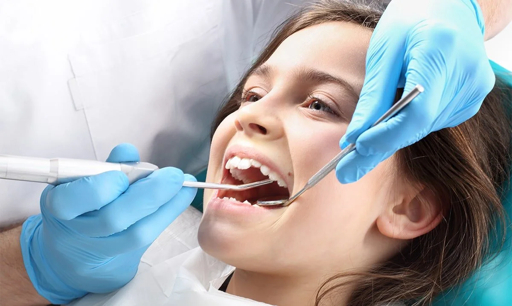
A discreet brace is only one part of an orthodontic decision. Start with the clinician’s assessment of your teeth and bite, then compare suitable appliances. These five orthodontists in Bristol hold identified specialist or consultant roles. The list organises real practitioners, not independently measured results, and its numbering is not a clinical ranking. Check who would personally assess you and supervise treatment before agreeing to a plan.
For a parent arranging school appointments, continuity may matter more than a particular aligner brand. An adult preparing for public-facing work may have different priorities. General reading such as Quick Remedy Now Health should not determine which appliance can safely achieve either person’s dental goals.
1. Dr Richard Tonner
Clifton Orthodontics lists Dr Richard Tonner as its principal orthodontist and publishes his General Dental Council number as 59016. The practice is dedicated to orthodontic care, which makes it a place to discuss the treatment pathway rather than one cosmetic feature. Ask whether Richard would lead your case and who handles routine adjustments. If several clinicians contribute, establish how treatment decisions are recorded. A familiar practice name does not automatically mean every appointment is with the same orthodontist.
2. David Heads
Clifton Orthodontics identifies David Heads as a specialist orthodontist, GDC number 113619. Its team page lists postgraduate orthodontic qualifications, including Membership in Orthodontics and a master’s degree. For a patient deciding between fixed braces and removable aligners, the important discussion is the proposed tooth movement. Ask why the recommended option suits your bite and what compromises alternatives would involve. Comparing appliances without that explanation is like choosing a vehicle before knowing whether the journey includes a narrow lane.
Information under a name such as Core Physio Path Health should remain separate from your dental treatment plan. Request the orthodontist’s own explanation of scans, photographs and any further records needed before a recommendation.
3. Dr Nik Gogna
The same practice lists Dr Nik Gogna as a specialist orthodontist, GDC number 245191, with a clinical doctorate in orthodontics and Membership in Orthodontics among his qualifications. His profile offers another named clinician to consider rather than treating a clinic as an anonymous service. Ask about appointment availability and responsibility for unexpected problems during treatment. For someone commuting into Bristol, a workable review schedule matters. Do not infer a shorter treatment time merely from an appliance’s appearance or marketing name.
4. Mr Scott Deacon
The Bristol Dental Practice identifies Scott Deacon as a consultant orthodontist, GDC number 73099, and lists interests in Invisalign and lingual braces. Its address is 1 Queen Square. This is a relevant enquiry for someone wanting to compare less visible appliances, but the assessment must still establish suitability. Ask what each option changes about cleaning, speech adaptation and follow-up. Request a written explanation of the proposed result, including any limitations, rather than treating an attractive appliance as the treatment goal.
Reading resources such as Safe Cure Guide Health cannot confirm whether hidden braces suit a particular bite. The clinician should explain the difference between an option you prefer and one they can responsibly recommend.
5. Dr Kate House
University Hospitals Bristol’s corrective jaw treatment information identifies Dr Kate House as a consultant orthodontist, GDC number 74474. Her inclusion represents a different pathway from booking a routine private cosmetic consultation. Hospital orthodontics and corrective jaw treatment involve assessment and access arrangements appropriate to the clinical problem. If someone has already mentioned a substantial jaw discrepancy, ask your dentist whether a hospital referral is relevant. Do not assume an NHS consultant listing means unrestricted self-booking or automatic eligibility for publicly funded care.
Questions about treatment commitments
### Does every child need treatment immediately?
No. Timing depends on the dental problem and development. Ask whether the recommendation is assessment, monitoring or treatment, and what would change the decision later.
Are treatment fees the whole cost?
Not necessarily. Request written details of included appointments, repairs, retainers and follow-up. Compare the complete proposed course rather than one advertised monthly payment.
Can adults use the same approach as teenagers?
Sometimes, but suitability is individual. Existing dental work and gum health belong in the assessment. Neither age alone nor a general article determines the appliance choice.
What happens after the braces come off?
Discuss retention before starting. Ask what retainers are proposed, how their use will be reviewed and who pays for replacements. Treat reading such as Fresh Vital Aid Health as unrelated to those contractual details.
Book an assessment, not an appliance
Pick a clinician whose setting fits the problem, then request a written plan covering bite goals, alternatives, follow-up and retention. If the explanation focuses only on appearance or a payment figure, ask for the missing clinical detail before consenting.