Imagine handing someone your contact information — your name, job title, email, LinkedIn profile, portfolio link, and even a short video introduction — all with a single tap on their smartphone. No paper. No printing costs. No “Oh, I left my cards at the office.” That moment of frictionless connection is exactly what a digital business card makes possible, and it is quietly revolutionizing the way professionals build relationships in every industry.
Whether you are a freelance designer, a corporate executive, a startup founder, or a healthcare consultant, the way you introduce yourself professionally has a direct impact on the opportunities that follow. The traditional paper card served its purpose for decades, but in a world where everything from banking to dating has gone digital, clinging to a printed rectangle feels increasingly out of step. The digital business card is not just a trendy upgrade — it is a smarter, more powerful tool for making lasting impressions.
What Exactly Is a Digital Business Card?
A digital business card is an electronic version of your professional contact information, designed to be shared instantly through a smartphone, QR code, NFC technology, or a simple link. Unlike its paper counterpart, it can carry far more than a name and phone number. Think clickable social media profiles, embedded videos, appointment scheduling links, and even your real-time availability status.
Platforms like HiHello, Blinq, Popl, and Haystack have made creating these cards accessible to virtually anyone. Some use NFC-enabled physical cards that launch your digital profile when tapped against another device. Others rely entirely on app-based sharing or a personalized URL. The result is a business card that does the heavy lifting for you, working around the clock to represent your professional brand.
The Death of the Paper Card and What Replaced It
The paper business card has a rich history dating back to 17th-century Europe, where “visiting cards” were used by the aristocracy to announce arrivals. For centuries, it was the gold standard of professional introductions. But the cracks began to show long before the digital age fully arrived. Cards get lost in pockets, fade in wallets, and pile up in desk drawers never to be seen again.
According to industry estimates, approximately 88% of paper business cards are thrown away within a week of being received. That is an enormous waste of both money and opportunity. The digital business card did not kill its predecessor by being flashier — it won by being genuinely more useful. It stays accessible, stays updated, and stays in the pocket of every person you have ever shared it with.
Real-Time Updates That Keep Your Profile Fresh
One of the most underappreciated advantages of a digital business card is the ability to update your information instantly. Change your job title? Update it once, and every contact who holds your card link sees the new version automatically. Move to a new company? Swap out the logo and email without reprinting thousands of cards or awkwardly scrawling corrections on paper.
This is particularly valuable for professionals who pivot often — consultants, entrepreneurs, and creatives who frequently shift roles, take on new clients, or rebrand their services. Your digital card becomes a living document of your professional identity rather than a static snapshot frozen at the moment of printing. In fast-moving industries like technology, marketing, and finance, that kind of agility can make a meaningful difference in how up-to-date and relevant you appear to your network.
NFC Technology: The Magic Behind a Single Tap
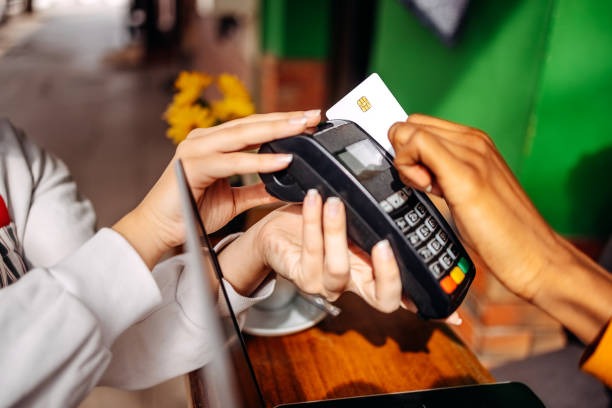
Near Field Communication, or NFC, is the technology that allows two devices to exchange data by simply being held close together. It is the same technology that powers contactless payments through Apple Pay and Google Pay. When embedded into a digital business card — whether as a chip inside a sleek card, a wristband, or even a keychain fob — NFC creates an almost magical networking experience.
You tap your card against someone’s phone, and your full professional profile appears on their screen. No app download required on their end. No fumbling with QR code scanners in bad lighting. Just a clean, instant exchange of information. Companies like Popl and Linq have built entire product ecosystems around NFC-enabled cards, targeting professionals who attend conferences, trade shows, and networking events where speed and impression matter most.
QR Codes: A Simple Bridge Between Physical and Digital
For professionals not quite ready to invest in NFC hardware, QR codes offer a wonderfully accessible alternative. A QR code linked to your digital business card profile can be printed on name badges, added to email signatures, displayed on presentation slides, or shown directly from your phone screen. The recipient simply scans it with their camera app, and your full contact profile opens immediately.
QR codes experienced a massive resurgence during the COVID-19 pandemic, when touchless interaction became essential. Restaurants, hospitals, and retail stores adopted them widely, which means the general public became much more comfortable using them. That cultural familiarity has made QR-based digital card sharing genuinely smooth and intuitive in most professional settings today.
Analytics: Knowing Who Engaged With Your Card
Here is something a paper business card could never tell you: who looked at it, when they looked, and what they clicked on. Many digital business card platforms now include built-in analytics dashboards that track exactly this information. You can see how many times your card was viewed, which links received the most clicks, which geographic regions your connections come from, and even which referral sources brought traffic to your profile.
For sales professionals and business development teams, this data is enormously useful. It allows you to follow up strategically — reaching out to prospects who have already shown active interest in your profile rather than cold-contacting a list. For marketers and personal brand builders, the analytics help refine which information deserves prominent placement on the card and which elements are being ignored.
Environmental Impact: A Greener Way to Network
The global paper business card industry produces approximately 100 billion cards per year. Most of those end up in landfills within days. Switching to a digital business card is one of the smallest but most consistent environmental choices a professional can make. It eliminates paper waste, ink consumption, and the carbon footprint associated with printing and shipping physical cards.
For companies with strong sustainability mandates or Environmental, Social, and Governance (ESG) commitments, transitioning employees to digital cards is an easy win. It reduces operational costs while visibly demonstrating a commitment to environmental responsibility. In industries where clients and partners increasingly evaluate brands on their green credentials, even small gestures like this contribute to a stronger, more values-aligned reputation.
Integration With CRM Tools and Contact Management
One of the most powerful features of modern digital business card platforms is their ability to integrate directly with Customer Relationship Management tools like Salesforce, HubSpot, and Zoho CRM. When you share your digital card and the recipient opts in, their contact details can be automatically captured and pushed into your CRM in real time — no manual data entry required.
This transforms networking from a disconnected activity into a seamless part of your sales or business development workflow. Follow-up reminders, email sequences, and relationship tracking can begin the moment a new contact is added. For teams that attend dozens of events per year and meet hundreds of potential clients, this kind of automation is not just convenient — it is a genuine competitive advantage that compounds over time.
Building a Stronger Personal Brand
Your digital business card is more than a contact sheet — it is a first impression of your personal brand. The design, color scheme, layout, and content you choose all communicate something about who you are professionally. A well-crafted digital card with a professional headshot, a concise bio, links to published work or case studies, and a clear call to action tells a story that a paper card with just a name and phone number simply cannot.
Platforms like Canva, HiHello, and v1.cards allow for significant design customization, letting you align your card’s visual identity with your broader brand presence across LinkedIn, your website, and your email signature. When all your touchpoints look and feel consistent, you come across as intentional, polished, and credible — qualities that make people more likely to remember you and refer you to others.
FAQ: Digital Business Cards and Professional Networking
Q: Are digital business cards compatible with all smartphones? Yes. Most digital business cards work through a simple web link or QR code, which can be opened on any smartphone with a browser — no special app or operating system is required on the recipient’s end.
Q: Is it expensive to create and maintain a digital business card? Not at all. Many platforms offer free tiers with core features. Paid plans, which typically start between five and fifteen dollars per month, unlock premium features like analytics, CRM integrations, and custom branding. Compared to the ongoing cost of printing paper cards, digital cards are far more economical over time.
Q: What if the person I am networking with is not tech-savvy? QR codes have become widely understood, but you can also share your card as a simple link via text message, email, or WhatsApp — formats that anyone with a phone can easily access without any technical knowledge.
Q: Can I have multiple digital business cards for different roles? Absolutely. Many professionals create separate cards for different contexts — one for their corporate role, one for a side business, and one for community or volunteer work. Most platforms allow you to manage and switch between multiple card profiles easily.
Q: Is my contact information safe on a digital business card platform? Reputable platforms use industry-standard encryption and give you control over what information is public versus private. Always review the privacy policy of any platform before adding sensitive contact details, and choose services with clear data protection practices.
Q: Do digital business cards work at in-person events without internet access? NFC-enabled cards work without the recipient needing internet at the moment of the tap, though they will need connectivity shortly after to fully load the profile. QR codes require a working internet connection to load the linked page. For offline scenarios, some apps allow you to save contact details locally in advance.