
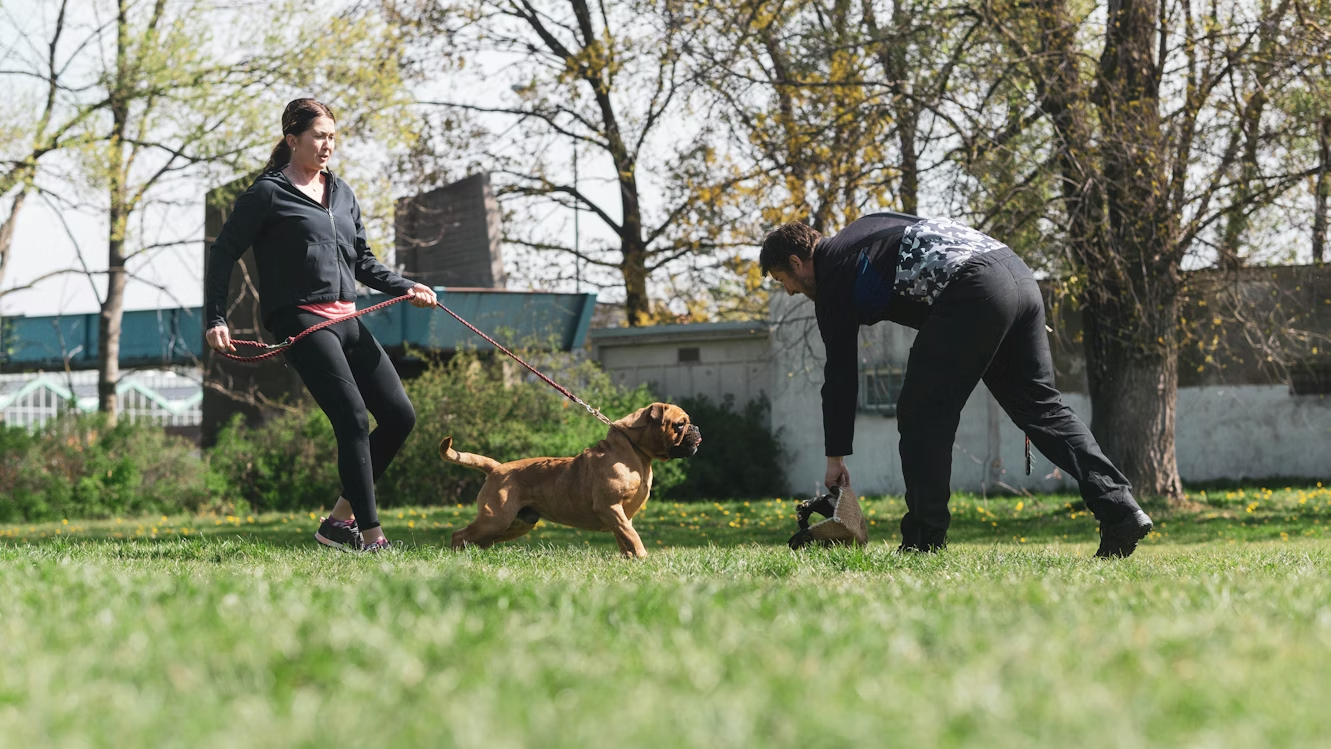
Leash training a puppy is one of the most important foundations for a well-behaved dog. Puppies are naturally curious and energetic, which can make walks challenging without proper guidance. Starting leash training early ensures safety, builds confidence, and strengthens the bond between dog and owner. Consistent training helps puppies learn boundaries, reduces pulling or lunging, and encourages good manners in public spaces. Using positive reinforcement, such as treats, praise, or favorite toys, motivates the puppy to associate the leash with enjoyable experiences.
Early leash training also sets the stage for introducing more advanced commands, socialization with other dogs, and exposure to different environments, ultimately fostering a calm, obedient, and confident adult dog. Additionally, structured leash training improves a puppy’s focus, mental stimulation, and impulse control, which can prevent behavior problems like excessive barking, chewing, or anxiety during walks.
By gradually increasing the complexity of walks such as navigating crowded streets, parks, or different terrains puppies learn adaptability and resilience, making everyday activities more manageable for both dog and owner. Incorporating short, frequent training sessions and observing the puppy’s body language ensures progress without causing stress, resulting in a positive, lifelong walking habit.
Understanding the Basics of Leash Training
Introducing a puppy to a leash requires patience. Begin by allowing the puppy to wear a lightweight leash indoors. This helps them adjust without feeling restricted. Treats and praise encourage positive associations. Short, frequent sessions prevent frustration for both puppy and owner. It’s important to let the puppy explore at their own pace while on the leash, allowing them to sniff and investigate their environment safely. Gradually, start gently guiding them, rewarding them when they follow your lead or walk beside you calmly.
Avoid pulling or yanking on the leash, as this can create fear or resistance. Incorporating consistent verbal cues, like “let’s go” or “heel,” helps the puppy associate actions with commands. Over time, gradually move training sessions outdoors in a safe, enclosed area before venturing into busier spaces. This step-by-step approach builds confidence, reduces anxiety, and strengthens the bond between you and your puppy.
Techniques for Effective Leash Training
Use positive reinforcement: Reward calm walking and following cues with treats, praise, or playtime. This helps your puppy associate walking politely on a leash with positive experiences, encouraging repeat behavior. You can also use a favorite toy or verbal encouragement as a reward, making training more engaging and enjoyable. Timing is critical to reward the puppy immediately after the desired behavior to strengthen the connection between the action and the reward. Gradually reduce treats over time while maintaining praise and play, helping your puppy learn to follow cues reliably without constant incentives. Positive reinforcement not only improves leash manners but also builds trust, confidence, and a strong bond between you and your puppy.
Stop-and-go method: Pause immediately when the puppy pulls; resume walking only when the leash is loose. This teaches your puppy that pulling will not get them where they want to go, reinforcing self-control.
Consistency is key: Practice at the same time each day to establish a predictable routine. Short, frequent sessions are more effective than long, irregular walks. Make sure all family members use the same commands and techniques to avoid confusion.
Vary environments gradually: Start indoors or in a quiet backyard, then slowly introduce busier areas like parks, streets, or crowded sidewalks. Gradual exposure helps your puppy remain focused despite distractions and builds confidence in new surroundings.
Use proper equipment: A well-fitted harness or collar designed for leash training can prevent strain on the puppy’s neck and provide better control. Avoid retractable leashes during early training, as they encourage pulling.
Incorporate training cues: Teach commands such as “heel,” “slow,” or “let’s go” to guide your puppy’s pace and position on the leash. Consistent verbal cues paired with rewards improve communication and obedience.
Common Challenges and Solutions
Puppies may resist the leash, jump, or pull. Avoid tugging; instead, redirect attention with treats, toys, or verbal praise. Consistency is key in establishing a routine for leash walks to help your puppy understand expectations. Short, frequent walks help maintain engagement and prevent fatigue, while gradually increasing distance and duration builds endurance and confidence. Observing body language, such as wagging tails, lowered ears, or tension in the shoulders, can help you identify when your puppy is stressed or overstimulated, allowing for timely breaks or calming techniques.
Investing time in training a puppy creates lifelong benefits. Dogs learn boundaries, owners gain confidence, and daily walks become enjoyable for both. Well-trained puppies are less likely to develop behavioral issues, such as chasing distractions, lunging, or fear-based aggression, making outings safer in public spaces. For professional guidance, training programs provide structured, expert-led sessions tailored to individual puppy needs. Starting leash training today ensures safer, happier, and well-mannered walks, strengthens the bond between owner and pet, and fosters a lifetime of positive outdoor experiences.
Conclusion
Leash training a puppy sets the foundation for a safe, enjoyable, and stress-free walking experience. Consistency, patience, and positive reinforcement transform a challenging task into a rewarding routine. Puppies that learn proper leash behavior are easier to manage, more confident, and better socialized, making daily walks a pleasant experience for both dog and owner. Well-trained puppies are also less likely to develop behavioral issues such as pulling, lunging, or fear-based reactions during walks.
For guidance from experienced trainers, professional programs offer expert-led sessions tailored to every puppy’s needs, including personalized advice, troubleshooting tips, and structured exercises that accelerate learning. Starting leash training early not only ensures a happier, well-mannered dog but also strengthens the bond between owner and pet, creating a foundation of trust, communication, and mutual respect. Incorporating leash training into your puppy’s routine encourages mental stimulation, teaches impulse control, and enhances socialization with other dogs and people. By investing time and effort into proper leash training, you set your puppy up for a lifetime of enjoyable walks, outdoor adventures, and positive experiences.
Visit Rob’s Dog Training today to begin the journey toward successful walks, confident puppies, and a stronger, lifelong connection with your furry companion.